Surrounded by rivers, lakes and fens, Norwich has some great waterside places to picnic and relax. A PlusBus ticket can open up some wild corners of Norfolk’s county capital and it can also help you explore the city’s many centuries of history. The famous twelfth-century cathedral is always worth seeing and is free to visit, but you can find a lot more besides the central sights when you explore by bus.
Adventures around Norwich
with PlusBus

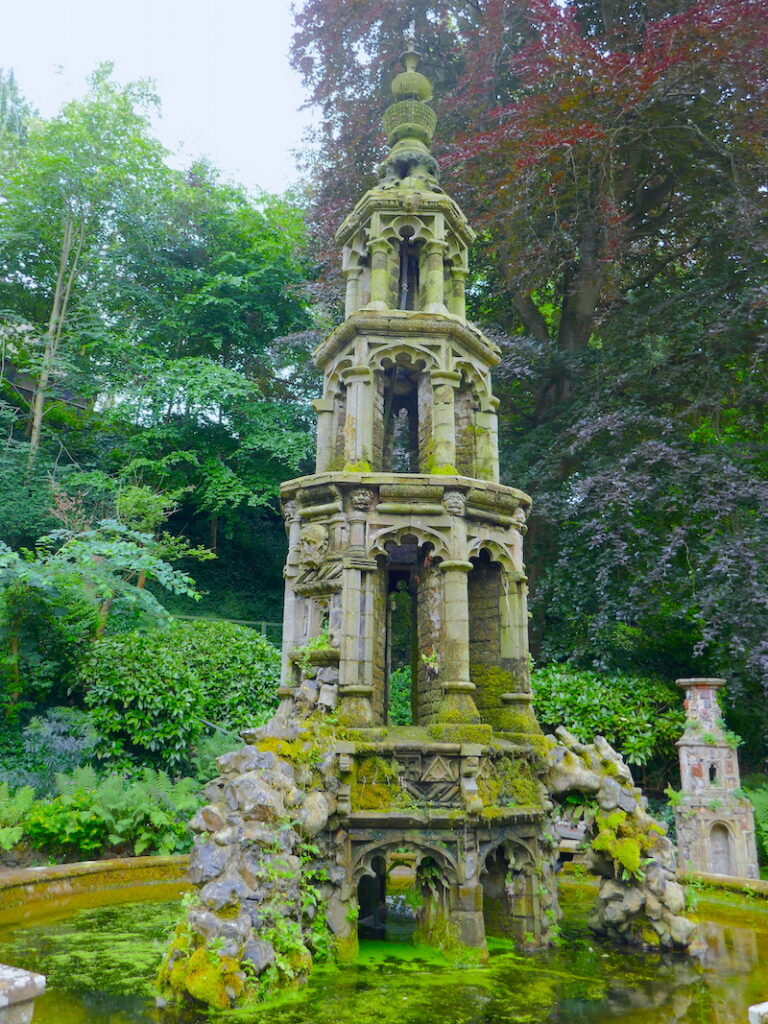
1. The Plantation Garden
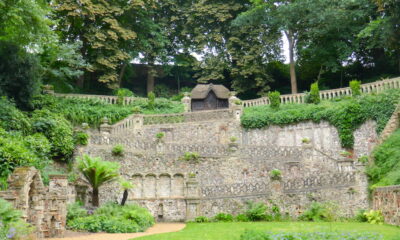
For central sightseeing and a hidden gem, hop on regular bus 26 or bus 26A from the railway station and wind through town to the Plantation Garden (£2). It’s a fabulous Victorian idyll in an old chalk quarry with a fountain, flower beds, Italianate terraces and wooded paths. In the second half of the nineteenth century, a wealthy Norwich furniture maker called Henry Trevor invested a lot of time and money into creating this unique garden.
- If you haven’t already got a PlusBus ticket, just show your train ticket at the booking office and ask for PlusBus. Between them, buses 26 and 26A leave frequently (less so on Sundays) from stop DE – just turn right out of the station and you’ll see it ahead of you.
- On the way through the city, the bus circles Norwich Castle (see Good Journey’s directions) with its imposing square keep, and passes some of the city’s quaint cobbled abbeys like Brigg Street, opposite flint-walled St Stephen’s church. Soon after, you pass the Assembly House on your left, a brick Georgian mansion serving elegant afternoon teas or a cakeaway to take with you; next up is the Theatre Royal, followed by the bandstand and plane trees of Chapelfield Gardens.
- The Roman Catholic Cathedral is now ahead and the bus stops immediately after it. Follow the brown sign into the garden.
- Stop off at Red Lion Street on the way back into town and you’re just five minutes’ stroll from Norwich Market, a huge stripey-roofed collection of stalls with every kind of food (Monday to Saturday). Whether you’re looking for local beef and ale pie or a vegan bean and tomato roll, you can find excellent picnic food at the Walsingham Farms stall or at Bread Source with its cinnamon buns, banana muffins and lots more.
- When you’ve found some provisions, it’s time to head out into the into the Norfolk countryside on one (or both!) of the next two adventures.

2. Caistor Roman town
Norwich has plenty or brilliant things to see if you’re interested in history: museums and churches, towers and bridges. You can find out how to visit more of these, including the cathedral (see Good Journey’s directions), in our car-free guide to Norwich.
- A PlusBus ticket can take you out of the city: Norfolk’s forgotten Roman capital, once known as Venta Icenorum, lies deep in the tranquil fields south of the city near the village of Caistor St Edmund.
- Hourly bus 40A runs from the bus station will usually drop you off right next to the old Roman town, near the stop called Chandler Road. Check with the driver where to wait on the way back. What was once a busy centre of civilisation, with a forum, town hall, bathhouses, temples and theatre, is now just a few ruins around a riverside field of sheep with an old church in the corner.
- The banks and walls that surround the site give you a clear feeling for how big the town once was. And you don’t just have to rely on your imagination: there are plenty of information boards, a printable guide, free guided tours on summer Sundays (and some Wednesdays), even an augmented reality app. Across the road from Venta Icenorum, a wide grassy track leads to High Ash Farm, about a mile away, with its coffee van and network of paths.
3. Woods and water at Whitlingham
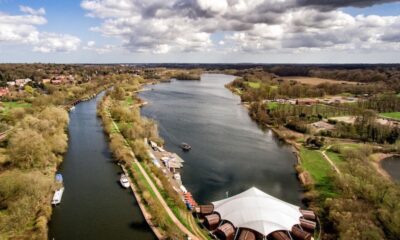
As England’s only city that’s inside a National Park, Norwich has a lot of wildlife, green spaces, nature reserves and the River Wensum flowing through its heart. The Norfolk Broads are just a bus ride away. There are waterside walks, boats for hire and birds to spot at Whitlingham Country Park just outside the city.
- Bus 40A stops in the village of Trowse (historians think the name might come from treehouse – houses here once had to be built on poles or trees to avoid floods!).
- Walk straight along Newton Close next to the flower-decked White Horse pub and turn right along Whitlingham Lane. You’ll soon pass Trowse Wood (also worth exploring) and the Norfolk Snowsports Club.
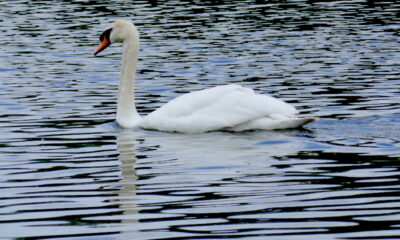
- Keep going for about ten minutes along the pavement, past pretty cottages. Just after the brick buildings of the Norwich Rowing Club, turn left into a lane. You’ll soon come to a map, which shows you how big an area there is to explore here. But it doesn’t take long to reach Great Broad with geese and swans crowded onto its pebbly shore. Nearby, you’ll find the ruins of Trowse Newton Hall, once a country retreat for the Priors of Norwich Cathedral. And there’s a café in the big Flint Barn.
- Heading back to Trowse, there’s a choice of refreshments. As well as the pub, the River Green vegan restaurant serves up things like beetroot burgers, mushroom wellingtons and lots more. You can then catch bus 40A back to Norwich.
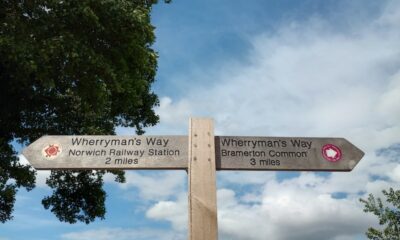
- Or you could choose to walk: Trowse is on two long distance walking routes, which you can follow back to Norwich if you like. The Boudicca Way follows in the footsteps of the legendary warrior queen of the Iceni tribes for 36 miles from Norwich to Diss (via Venta Icenorum – see 2 above) while the Wherryman’s Way is a winding 38-mile route to Great Yarmouth through Whitlingham Country Park. Both walks follow roughly the same signed route from here to Norwich railway station, a couple of miles away, beginning with some pavement-tramping and later a pleasant urban stroll beside the River Wensum.