The PlusBus ticket for Greater Manchester is amazing value. You can travel nearly forty miles west to east, from beyond Wigan to the edge of the Peak District. And 25 miles from the rugged Pennines north of Rochdale to villages on the border of Cheshire, south of Stockport. It’s a huge area, packed with incredible things to see, do and enjoy. And all this for a small extra fee on top of your train ticket. This guide outlines just three of the thousands of possible adventures you can have with a PlusBus ticket in Greater Manchester: a fabulous new garden near Salford, an ancient library in the heart of the city and the biggest park in the North West of England. Ask for PlusBus when you buy your train ticket for unlimited travel around the area all day on the day you arrive or leave by train.
Adventures around Manchester
with PlusBus

1. RHS Bridgewater
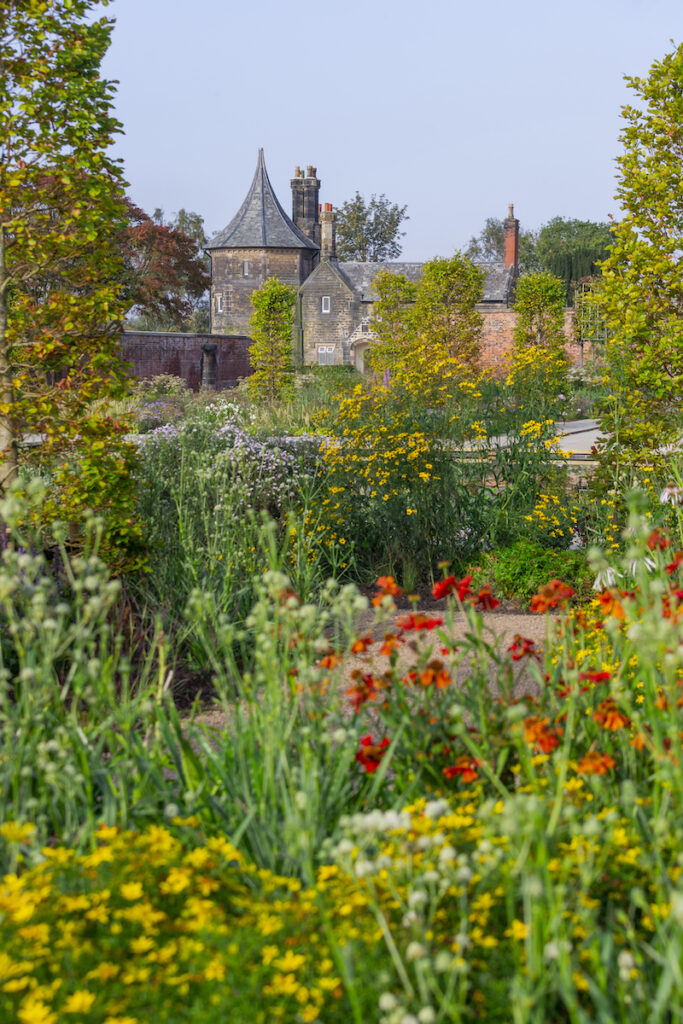
The Royal Horticultural Society’s huge fifth garden finally opened near Salford in May 2021 after the pandemic set plans back nearly a year. RHS Bridgewater is a forty-minute bus ride from central Manchester with lots to see along the way. See Good Journey’s directions.
- Bus 34 runs every half an hour to the garden from outside Manchester Art Gallery, passing churches and colleges, leafy suburbs and canal-side villages. The cafés in Morton village make a good brunch stop.
- Look out for the curving River Irwell and impressive brick museum building in Salford. The bus passes Buile Hill Park and crosses the Bridgewater Canal. In the pretty village of Worsley, the route runs parallel with the canal. If you like, you can walk a mile or so along the towpath to the gardens from here, with the water on your left.
- Otherwise, get off at Occupation Road, the stop nearest the RHS garden (ask the driver if you’re not sure), with a great view looking southwards over the countryside. Follow the signs downhill and left past the carpark to the visitor centre. A lovely winding path through borders of gold and purple loosestrife means you don’t need to walk along the road.
- Inside RHS Bridgewater, wander through restored walled gardens with lily ponds and ferny woods with waterfalls, flowery meadows and waterside Chinese acers. There is a distinctly contemporary feel about much of the layout and planting at Bridgewater, managing to showcase both modern and traditional aspects of gardening.
- From the café terrace at the visitor centre to Ellesmere Lake, you can walk through a winding water garden and back through stylish wooded parkland to the eco-friendly orchard beyond the colourful borders and vegetable plots that lie at the heart of this remarkable new space. Don’t miss the homemade cakes; some of them are topped with edible flowers.
2. Chetham's Library
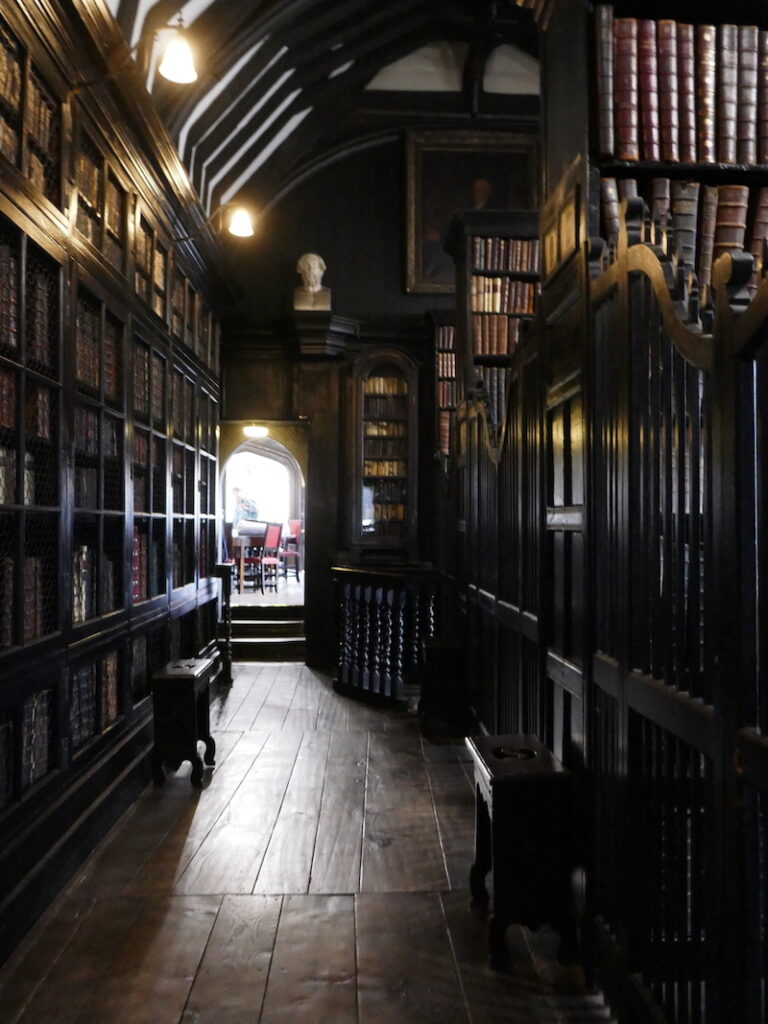
Deep in the centre of medieval Manchester is the oldest surviving public library in Britain. Book a tour to visit Chetham’s Library (pronounced “cheetems”) and you’ll be taken round the cloisters, ancient rooms with carved ceilings, the Baronial Hall, and the library itself.
- Bus 41 and bus 135 run regularly from Manchester’s Piccadilly Gardens to the Printworks. Towering above the bus stop is the National Football Museum, largest football museum in the world, and the entertainment hub at the Printworks. To find the library, turn left into Todd Street and left again beside a grassy area with birch trees. At the end, you’ll see a sign for the library, which has tours most afternoons.
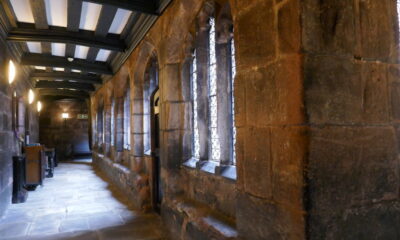
- Manchester’s first barons lived here on what was then an island in the River Irwell. In the fifteenth century it became a college for priests; step inside the old cloisters and you can easily imagine them still living here. Look out for the medieval cat flaps. Elizabeth I’s astrologer, John Dee, model for Shakespeare’s Prospero, was warden of the college from 1595.
- The audit room has fabulous floral plasterwork and a carved wooden face on the ceiling of the devil devouring a sinner. The beamed Baronial Hall, with its smoke-blackened sandstone walls has civil war weapons over the fireplace.
- The library itself was founded by Humphrey Chetham in 1653 and is still free for everyone to access as a library. Paying for one of the interesting tours support this extraordinary Manchester institution. Don’t miss the cathedral nearby with more medieval features including the fine oak screen and wood carvings under the seats (misericords) in the quire.

3. Heaton park
Manchester is surrounded by some really great countryside. There are all kinds of parks and nature reserves within the city itself too. One of the biggest and most popular is Heaton Park. There’s masses to do here, from bee-keeping to star-gazing and a network of trails leads through wooded parkland past historic buildings.
- There are lots of ways to get to Heaton Park by bus. Here’s one that gives you a scenic walk in between two regular bus routes. Bus 135 runs frequently from Piccadilly Gardens (Stop E) to the west side of Heaton Park.
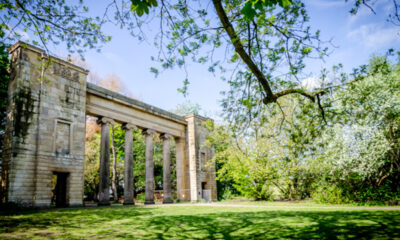
- Follow signs through the park to Heaton Hall (designed by James Wyatt in 1772) and then to the Tram Museum, where you can ride on a restored heritage tram at the weekends in season. The boating lake is nearby and the old facade from Manchester’s original town hall. Only the colonnade is left from a building that was knocked down in 1912 with this bit being moved to the park.
- Leaving the park onto busy Middleton Road, you can choose whether to turn a few steps left for a longer walk through Blackley Forest or right a few steps to the bus stop where bus 59 runs back to Piccadilly Gardens.
- Walking through, Blackley Forest follow the paths and steps that keep the river on your right without crossing it. Look out for wildlife. The friends of Blackley Forest have even produced a list of all the birds, animals and insects you might spot, from a tiny shrew to a great spotted woodpecker!
- Arriving on New Blackley Road, turn right, finally crossing the river and right again onto Middleton Road to find the bus stop (no need to cross any roads) and pick up bus 59 back to Piccadilly Gardens.
- This stroll is part of a 63-mile long distance route called Manchester’s Green Trail that link the city’s parks and woodlands.
- There are lots and lots of other places in Manchester that you can get to by bus, like the Museum of Transport (see Good Journey’s directions) and vibrant Salford Quays (bus 50 from the Art Gallery). The Quays are home to Media City UK as well as museums, theatres and a hidden Elizabethan gem, Ordsall Hall. Happy exploring!