Just twenty minutes train ride from London’s Marylebone Station, the market town of High Wycombe is an excellent hub for car-free adventures in the wooded Chiltern hills. The handsome village of West Wycombe, ten minutes away by bus, is lined with Tudor buildings, pubs and cafés. The Dashwood family built the stately pile in West Wycombe park, the mausoleum on the hill above, and the maze of underground caves that visitors can wander through – cool and dark on even the hottest summer day.
High Wycombe
Buckinghamshire


1. Stroll around town
High Wycombe’s eighteenth century guildhall, castle mound and friendly, flint-walled museum are all a short walk from the railway station. There are regular trains to High Wycombe from London Marylebone, heading for Oxford, Banbury, Birmingham or Aylesbury. There is rarely more than a fifteen-minute wait for the next train.
- Come out of the station and turn right onto Castle Street. Opposite the entrance to All Saints Church, a tarmac path leads up and over the railway. Turn right along Priory Avenue at the top to find the museum nearby.
- High Wycombe was once the biggest chair-making town in the country and the refurbed museum in Castle Hill House has a great collection from the local furniture industries as well as a history of the town in ten objects, from a flint axe to the famous chairs and beyond.
- Don’t miss the tree-covered castle mound in the garden – you can climb the steps up the wooded slopes.
- Return to All Saints church and walk straight through the churchyard to reach the High Street with a fine brick guildhall and a choice of cafés.
- Less than ten minutes walk further on along Castle Street, you’ll reach High Wycombe bus station. Simply keep straight on at the roundabout and you’ll see it on the left.
2. By bus to the Hellfire caves
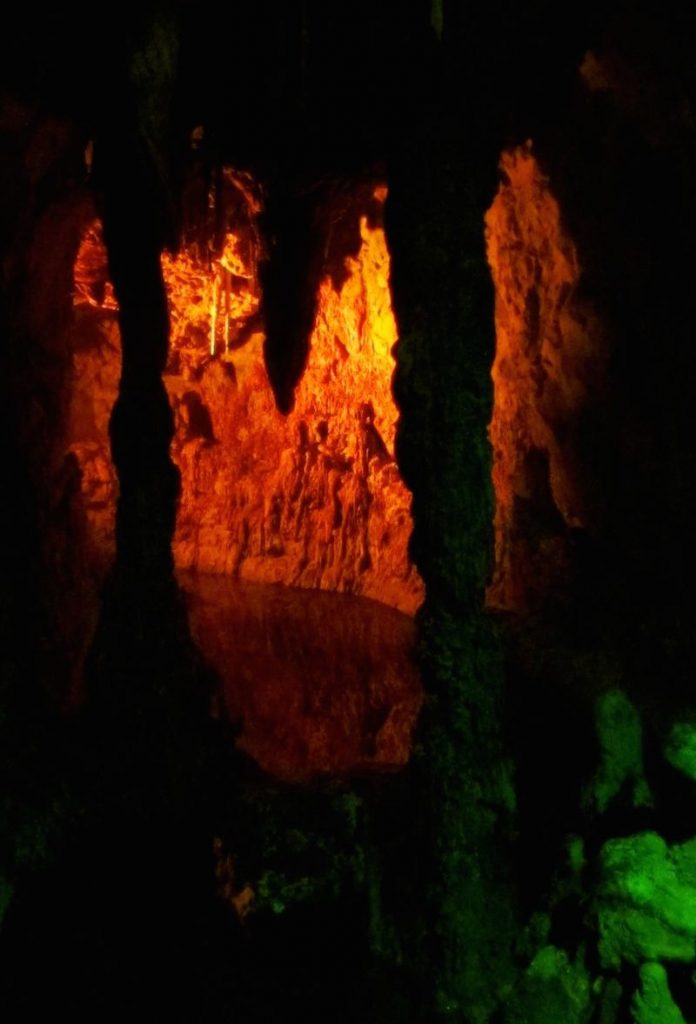
Eccentric, eighteenth-century aristocrat Sir Francis Dashwood convened his sacrilegious Hellfire Club in caves that he had dug out underneath the Chiltern hills. This extraordinary network of man-made caves leads down, half a kilometre underneath the church on the hilltop above and now has fanciful dioramas of the Hellfire club meetings in its subterranean depths. Styling themselves the Friars of St. Francis and Knights of West Wycombe, the assembled revellers feasted, joked and made toasts, allowing ladies to join them who were “of cheerful lively disposition, to improve the general hilarity”.
- Bus 40 runs regularly from High Wycombe bus station to West Wycombe village. Get off at the Village Hall, cross the road and go on along it a few more steps. Turn right up pretty Church Lane and left at the top to find the caves. There are other buses too.
- A mock-gothic portal leads into the labyrinth of caverns, leading through the Banqueting Hall (perhaps the world’s biggest man-made chalk cavern) and others to a subterranean river nicknamed the Styx, which runs through the Inner Temple and where the club meetings were held
- The Hellfire Caves are open seasonally- check the website.
- The courtyard café outside serves homemade cakes, cream teas and Hell-Fire Club sandwiches.

3. Climb up to the Dashwood Mausoleum
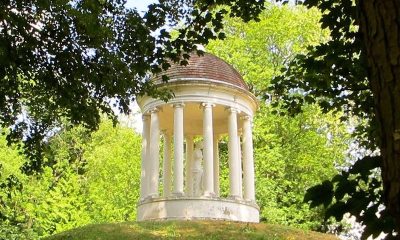
On the right of the wrought iron gates that lead to the Hellfire Caves, a short path leads up onto the hillside, where the Dashwood family mausoleum dominates the view. Behind it, the church of St Lawrence, with a gold ball on top of its tower is the highest point on the southern Chiltern hills.
- In theory you can see the church from West London on a clear day. What is certainly true is that there are great views over West Wycombe village and the wooded hills beyond.
- A long National Trust walk leads you through these hills to Hughenden Manor, once home to the Victorian Prime Minister, Benjamin Disraeli (see 5 below).
- The mausoleum itself is generally closed, but you can still see into the flint-walled hexagonal enclosure, containing urns and memorials for the Dashwood family and friends.
- The church behind, topped by its huge hollow golden ball, is open on summer Sunday afternoons and you can climb the tower for a fee. It was originally medieval, but extensively revamped in the eighteenth century. The inner caves are hundreds of metres below it inside the hill.
- The chalk grasslands stretching out into the distance round these monuments are full of meadow flowers and butterflies.
- Watch out for red kites circling overhead and deer racing through the trees nearby.

4. West Wycombe
Across the main road from the caves and hill, West Wycombe Park covers 45 meandering acres, dotted with neoclassical temples, bridges, lakes and islands. Follow Good Journey’s directions.
- Inside the Palladian house, you can visit the eight rooms downstairs, decorated in a range of styles: from trompe-l’oeil ceilings and faux-marble columns in the atrium to Flemish tapestries and copies of Raphael’s frescoes. The blue drawing room has appeared in Downton Abbey.
- Meanwhile, outside, there are temples and statues, cascades and lodges scattered across the landscaped park. Wander through the water gardens or along the woodland walk, around the lake or up the sloping lawns.
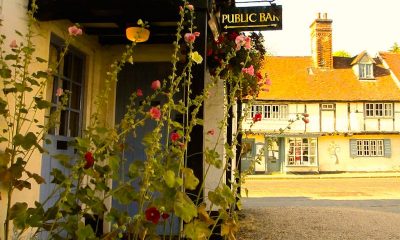
- Finally, don’t miss the jumble of listed buildings lining the busy village street. There are no longer seventeen pubs to choose from as there were in the stage-coaching glory days, but there are still a couple of lovely old inns and a café or two to refresh you. A short village trail leads you through the sights and up onto the hill.
5. Hughenden Manor
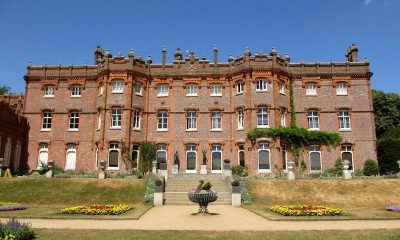
Born in Bloomsbury in 1804, novelist and Prime Minister Benjamin Disraeli bought Hughenden Manor in 1848, becoming a country gent to suit his new role as leader of the Tories and the house is stuffed with gifts from Queen Victoria.
- Later, during World War II, Hughenden was the base for a secret map-making operation that only recently came to light when one of the house volunteers overheard a man telling his grandson he’d been stationed here during the war.
- Codenamed ‘Hillside’, map-makers at Hughenden created the plans that helped the dambusters in a dark room in the ice house, which has now been recreated.
- If you’re very energetic, it is possible to walk all the way to Hughenden from West Wycombe. On the way, the walk takes you through the Bradenham Estate, with its manor house and village green and through several National Trust woods (great for bluebells) and open spaces like Naphill Common. On the way back, there are some great views across the valley towards the Dashwood Mausoleum.
- But if you want to make sure you have enough energy to explore Hughenden’s sprawling gardens, there is a regular bus service. Bus X9 route runs from High Wycombe bus station frequently (regularly on Sundays) and takes just ten minutes to reach Hughenden, stopping near All Saints church on Valley Road, just outside the gates.
- Arriva buses do a day rover ticket, which covers West Wycombe and Hughenden. The 300 also stops near Bradenham and Naphill so you can walk among the woods and commons and explore the Chiltern villages.