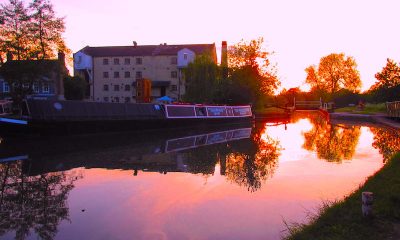
Sprawling between the scenic Stort Valley and epic Epping Forest, Harlow is much greener than many people realise. Riverside and woodland walks head off into the neighbouring countryside in every direction. But Harlow also has a cultural dimension: founded as a new town to provide post-war housing, its visionary architect Frederick Gibberd and others have left a legacy of public art and pleasant urban paths that are well worth exploring. Regular trains arrive from London, Cambridge and Stansted Airport.
Harlow “Sculpture Town”
Essex

1. By train to the Gibberd Garden
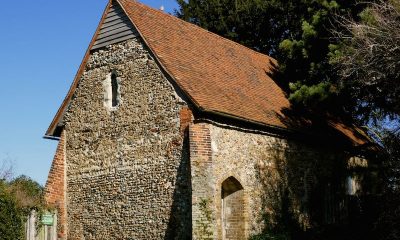
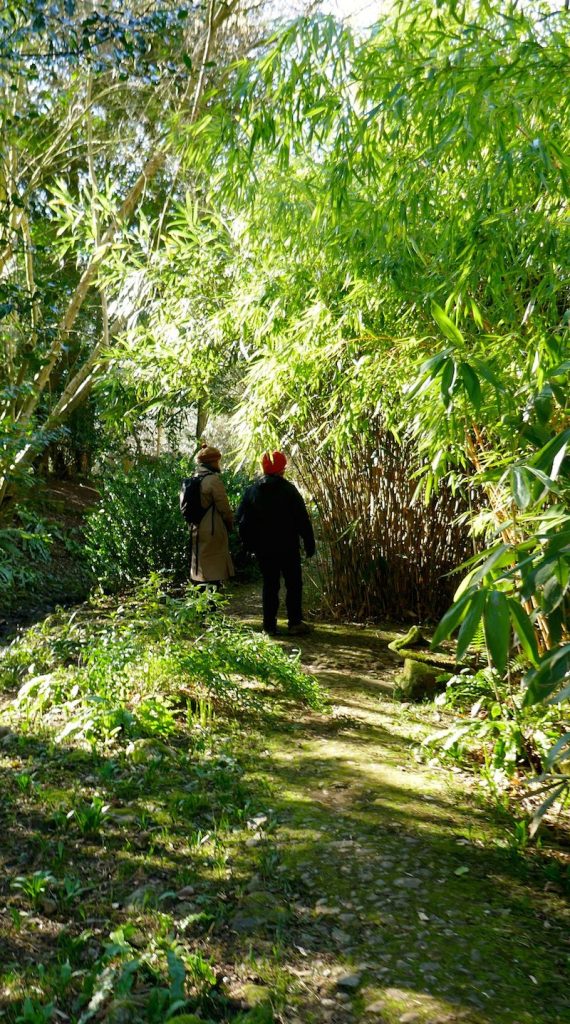
Just over a mile from Harlow Mill station, Frederick Gibberd’s fascinating garden is open to the public on Wednesday, Saturday and Sunday afternoons from April to September. Walking to the sculpture-packed Gibberd Garden involves a hike through the suburban countryside, past 12th-century Harlowbury Chapel. Follow Good Journey’s directions.
- Regular trains from London, Cambridge or Stansted Airport call at Harlow Town, but not all of them stop at Harlow Mill (one station closer to Cambridge) so plan your trip there and back in advance. Direct trains leave London’s Liverpool Street station twice an hour on Saturdays and hourly on Sundays.
- The Gibberd Garden website has instructions for walking from the station.
- You can also visit the Barn tearooms, serving homemade soup and cakes whenever the garden is open.
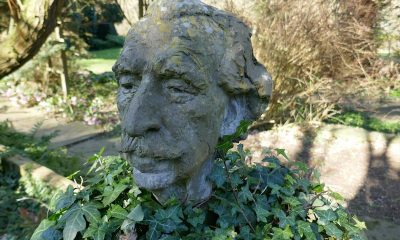
- Maps of the garden help you locate the 90 different sculptures scattered throughout the grounds, from Gerda Rubinstein’s eagles above the gates to Angela Godfrey’s stone bud near the river.
- The Gibberd Garden also has Snowdrop Sundays every February with a chance to stroll through the early-budding garden and have homemade cake in the barn.
2. Take the kids to Pets' Corner
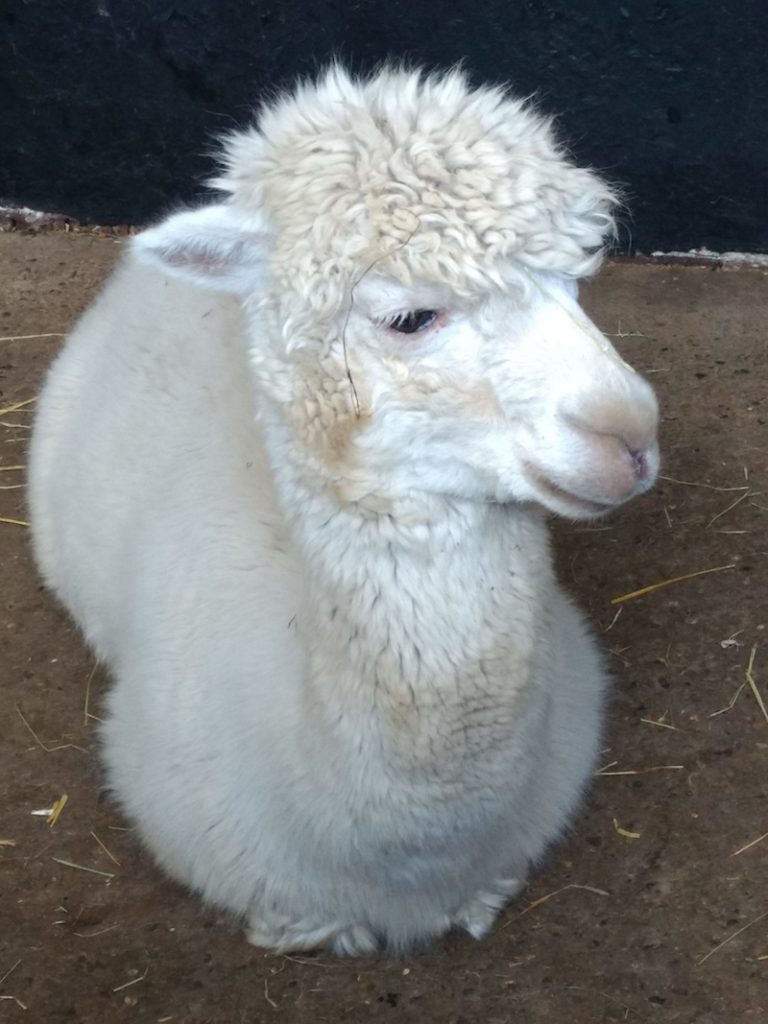
Just five minutes from Harlow Town station is a small urban farm, full of rabbits and horses, goats and alpacas. With the opening of the fabulous Spurriers café a few months ago, this corner of town is now even more delightful.
- Come out of Harlow Town railway station and walk ahead and very slightly right. Look out for a small paved path and steps leading up onto Edinburgh Way.
- Cross at the lights ahead and keep straight up steps into the Town Park. This huge green area has several hidden treasures, including water gardens, a skate park and adventure playground. A map near at the top of the steps shows you where they are.
- Turn left along a tarmac path, leading towards the animal enclosures. Pets’ Corner is open almost every day and is free to visit.
- Don’t miss the friendly café next door with its speciality three-egg omelettes and pink, sparkly homemade “unicorn cake”.
3. Harlow Town Museum
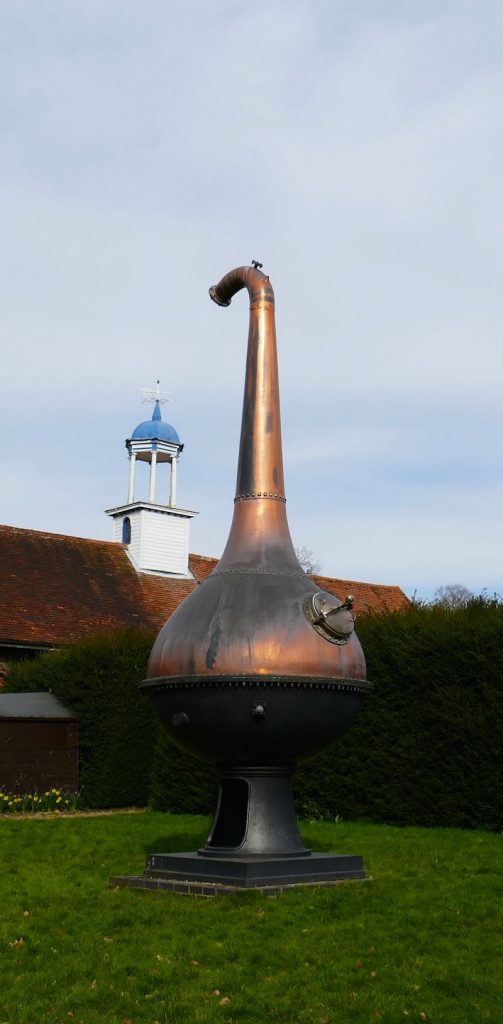
Roman figurines, 16th-century walled gardens with a copper gin still, antique bikes and Georgian pottery … Harlow’s charmingly eclectic museum is a pleasant half-hour walk from Pets’ Corner along a wooded cycle route. Alternatively, you could catch the 508, 509 or 510 bus from Harlow bus station towards Stansted Airport and hop off at St Mary’s church.
- To walk from Pets’ Corner, head for the far corner of the Town Park (furthest from the Harlow Town Station entrance) and turn left along the road, past the Youth Hostel and Greyhound pub.
- Simply keep going in this direction for a mile, following the tarmac path under roads.
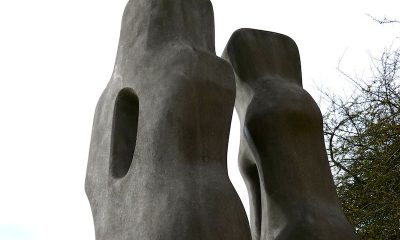
- At the sign saying Mark Hall, you can detour right and right again into Glebelands to see Barbara Hepworth’s Contrapuntal Forms standing in an urban housing estate. The Arts Council commissioned these limestone figures to stand on the South Bank during the 1951 Festival of Britain and then presented them to the new town of Harlow.
- Go back to the cycle path and carry on to the next big junction of paths. Turn right here and follow Muskham Road to find the museum entrance on your left.
- The museum gardens are a highlight. Volunteers maintain the walled gardens, with their ancient quince trees, varied sculptures and an old copper still from the former Gilbey gin factory nearby.
- The lovely old brick buildings were once the stables of the local manor house, visited three times by Elizabeth 1.
- Inside, you can learn more about the history of Harlow as a new town and see archaeological finds from as far back as Roman times, including a bronze figurine of Mercury.
- Besides a collection of historic bicycles, Harlow Museum has new bikes too and is home to the Hub and Spoke cycle advocacy group, who lead bike tours every Saturday.
- Leaving the museum, head straight ahead and left across the grass to see St Mary-at-Latton Church, a relic of the days when Harlow was still a collection of villages.
- Buses into the centre of town run regularly from the stop across the road from the church.

4. Sculpture Trails
Harlow was part of a pioneering experiment in the 1940s, creating new post-war towns. Nearly a hundred pieces of public art are scattered across Harlow; joining them together makes a great cycle trail or you can take a short stroll around the town centre to see some of Harlow’s best monuments. This unique collection has led Harlow to rebrand itself Sculpture Town.
- From the town’s central bus station, walk through the cafes into the Market Square where you can see Ralph Brown’s 1959 bronze Meat Porters.
- Turn left along Broad Walk past Frederick Gibberd’s obelisk and Lynn Chadwick’s 1961 Trigon.
- Turn right and left beyond the library to reach the Water Gardens. Turn right past Auguste Rodin’s Eve (1882) with her bronze arms wrapped around her, Elizabeth Frink’s Boar, perched in the middle of the ornamental pond, and Henry Moore’s Upright Motive No 2 (1955).
- On the level below the pond, a series of reliefs and mosaics are reflected in smaller ponds with plaques at either end celebrating local heroes, including the nobel-prize-winning Godfather of Broadband and inventor of fibre optic cable, Dr Charles Kao.
- At the far end, another plaque commemorates Frederick Gibberd with the words “If you seek my monument – look around you”.
- Go into the Civic Centre behind Upright Motive to see another piece by Henry Moore – the iconic Family Group (1954) in monumental stone.
- Don’t miss the (free) Gibberd Gallery, upstairs behind the sculpture. It has works by George Frederick Watts, Jane Ackroyd and others, as well as Gibberd’s collection of watercolours and drawings by John Piper, John Nash, Elizabeth Blackadder and Edward Bawden: from atmospheric seascapes to a cat among impressionist anemones.
- Here you can pick up a copy of Harlow Sculpture Town map and use it to locate yet more of the town’s public artworks. Or simply follow the signed pedestrian route, under the roads and through the park, back to Harlow Town station.
5. Along the River Stort
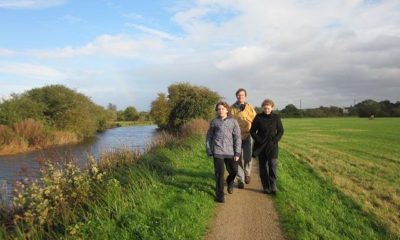
For a far more rural sculpture trail, turn right and right again out of Harlow Town Station to reach the River Stort and follow it – in either direction. The waterside route has railway stations all along it so it’s easy to find a walk to suit you: a two-mile stroll to Harlow Mill or a six-mile hike – on through Pishiobury Park near Sawbridgeworth, an undulating, historic landscape with ancient avenues and long-horned cattle.
- Turning right along the river from Harlow Town station brings you, through two miles or water meadows, to Harlow Mill – once used for corn and flour, now a riverside pub. Once you’ve had some refreshments, you can turn right up the main road to reach Harlow Mill station or continue along the river to Sawbridgeworth. To visit Pishiobury Park, keep the water on your right and follow the path.
- There’s a mill in the other direction too – Parndon Mill, just over a mile from Harlow Town station, is home to craft workshops and a small art gallery. Even nearer to the station, is The Lock, a huge riverside climbing centre.
- Along the river between the mills, there are specially commissioned sculptures at each lock and a glass and metal walkway over the weir.
- Beyond Parndon Mill, the towpath passes wildlife-rich nature reserves like Hunsdon Mead, full of flowers and flocks of water birds, as well as the craft workshops at Parndon Mill and several riverside sculptures.
- This rewarding stretch of riverbank also forms part of three different local long-distance routes: the Stort Valley Way (a 30-mile circuit through local villages), the Three Forests Way (a 60-mile loop through Epping, Hainault and Hatfield forests), and the 140-mile Harcamlow Way, leading all the way to Cambridge and back in an epic figure of eight.