During the pandemic, many of us rediscovered our local green escapes from the urban jungle. These nature reserves and commons, riverside rambles and even mountains are all within easy reach of thousands of front doors. And they all have a train station within a mile or less or a bus stop outside.
Green City Spaces
around Britain


1. Calton Hill, Edinburgh
The Scottish capital boasts the ultimate urban getaway – Arthur’s Seat, a towering extinct volcano, covered in grass and windswept gorse bushes, rises 250 metres above the city. But a much less energetic climb up Calton Hill is just ten minutes’ walk from Edinburgh’s Waverley Station and central shopping areas like Princes Street. It still earns you great views and grassy spaces. The Parthenon-style edifice on top has given Edinburgh one of its nicknames: the Athens of the North. This twelve-columned neoclassical National Monument, a memorial to Scots who died in the Napoleonic Wars, modelled on the Parthenon. There are several other buildings on Calton Hill, including monuments to Robert Burns, Nelson, and Scottish philosopher, Duguld Stewart.
- Routes: Waverley Station is half a mile away (see map below). There are various maps of the hill itself online.
- Alternatives: Find more ideas in our car-free guide to Edinburgh.

2. Grantchester Meadows, Cambridge
Less than a mile from Cambridge city centre and suddenly you’re walking through fields of cows beside the little River Cam. Picnickers, boaters, weekend strollers, and even wild swimmers love Grantchester Meadows.
- Food: Several cafes around Cambridge station do takeaways and there are shops for picnics too. Otherwise, it’s all wild and retail-free until you get to Grantchester itself at the far end of the meadows. The Red Lion and Rupert Brooke pubs have reopened as well as the Orchard Tea Garden.
- Routes: The nicest way to walk to Grantchester Meadows, from the centre of Cambridge or from the railway station, is through Paradise Local Nature Reserve (see map below).
- Alternatives: Cambridge is full of green spaces. Very close to the new Cambridge North station, you’ll find the wide waterside expanses of Ditton Meadows and Stourbridge Common. Heading into the city centre along the River Cam, you can walk through Midsommer Common, Jesus Green and the small fields behind the riverside colleges, with great views, known as “the Backs”.

3. Bute Park, Cardiff
The green heart of Cardiff has so much to recommend it. Bute Park offers trails, sculptures, meadows, woods, gardens, the castle, a ruined priory and more…
- There’s bike hire too (book ahead online) and a chance to ride along the leafy River Taff to fairytale Castell Coch.
- Routes: A ten minute stroll from Cardiff station along the River Taff, past the Principality Stadium, brings you to Castle Street. The park is just the other side of this road, beyond a wall carved with stone animals. This map will help you work out routes around the park itself.
- Food: Secret Garden and Summerhouse cafes.

4. Bathwick Meadow, Bath
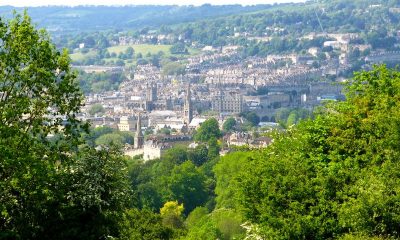
An uphill stroll from the city centre, these fields have views across the whole of Bath.
- Station: Bath (follow the map below to walk along the canal towpath).
- Routes and alternatives: The National Trust’s signposted Skyline Walk, along six miles of panoramic footpaths, leads from these meadows through several large green spaces.
- Highlights of the Skyline Walk: Flower-filled valleys and peaceful woods.
- Iconic landmarks, like the Sham Castle or the ornamental Palladian bridge in Prior Park.
- Roman and Prehistoric sites nearby, including the Iron Age fort on Solsbury Hill – and the baths that gave the city their name!
5. Wollaton Park, Nottingham
There have been majestic herds of deer roaming the woods at Wollaton in Nottingham since the 14th century. The 500 acres of parkland still feature grasslands, wetlands and forests, all full of wildlife.
- Highlights: Big-antlered deer among the ancient trees; water lilies flowering on the lake, with its herons and tree-nesting mandarin ducks, and rhododendrons in the woods.
- Buses 35 or 36 leave frequently from Market Square and stop at Wollaton Park Gates on Derby Road. Nottingham buses don’t give change so you’ll need cash.
- Routes: There are lots of different ways to walk round the park, like the spidery circular route on this Nottingham Country Council map.
6. Wimbledon Common, London
Home of the fictional Wombles, furry stars of the 1970’s kids’ books and TV show. They lived in burrows on Wimbledon Common and collected rubbish to recycle into something new. More than a thousand acres of countryside spreads across the southwest London suburbs, with wildlife, woodlands, heathland, a windmill and more.
- Highlights: Landscaped Cannizaro Park, once the gardens of a nearby stately home; Caesar’s Camp, site of a circular hillfort in the woods; architecture in Wimbledon village.
- Refreshments: Wimbledon also has some great pubs and cafes. Don’t miss the fantastic ice cream and sorbet flavours at Light on the Common, just off the High Street and a few steps away from Rushmere Pond on Southside Common.
- Station: Wimbledon (overground and underground trains)
- Routes: Turn right out of Wimbledon Station and walk up Wimbledon Hill Road. Continue along Wimbledon’s cafe-lined High Street to reach The Green at the end. The Common stretches ahead of you and to the right. This map might be handy.
- Alternatives: London is full of great parks and ancient forests. The hilly deer park near Richmond, the wild acres and swimming ponds on Hampstead Heath and the Royal Parks in the heart of the city are all worth checking out.
7. Pollock Park, Glasgow
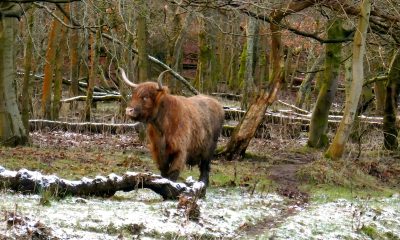
Glasgow’s largest park is packed with things to see: landscaped Edwardian gardens, Highland cattle roaming through the riverside woods, and the fabulous Burrell Collection of art and antiques, due to re-open in Spring 2021.
- Highlights: Strolling beside the White Cart Water and watching the Highland cattle grazing on the far bank; promenading round the parterre garden near Pollock House, pretending to be a character from one of the costume dramas filmed here (like several scenes from the TV hit Outlander).
- Station: From Pollockshaws West railway station, the park’s entrance is just steps away (turn left and left again out of the station).
- Routes: This comprehensive Glasgow City Council heritage guide to the park has a map and plenty of info.
- Alternatives: There are more ideas for places to explore in Glasgow in our car-free guide.
8. Rowntree Park, York
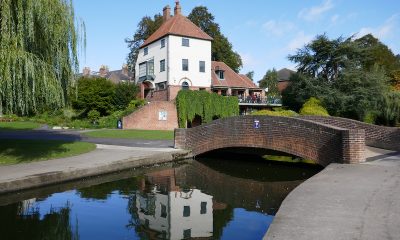
Just a short walk from the city, Rowntree Park was York’s first municipal park. The famous chocolate company Rowntree and Co created it and the park was officially opened in 1921 so next year will be its hundredth birthday.
- Highlights: Strolling through woods, by the lake, through gardens, or on past Millennium Bridge along the River Ouse.
- Station: York
- Routes: Rowntree is a mile south of the railway station. You can get there along the river or round the city walls – both lovely routes. Once you get there, there are short trails through woods and sculptures. Useful map to download here.
- Alternatives: For more ideas about things to do in York, see our car-free guide. York has a choice of riverside walks and some ancient areas of open land known as Strays.
9. Port Meadow, Oxford
Legend has it that Alfred the Great founded Oxford and gave the freemen of the city 300 acres to graze their cattle on. You can still see Port Meadow ponies there today. This ancient area of common land is perfect for a summer stroll near the River Thames.
- Highlights: Views back towards Oxford with domes and spires on the distant horizon. Water birds in huge numbers, especially in winter, when the flooded fields become a series of wildlife-rich islands.
- Refreshments: There are some famous pubs near the river in Port Meadow, like the Perch at Binsey and the Trout at Wolvercote. Both are known for their associations with JRR Tolkein, CS Lewis and other writers.
- Station: Oxford
- Routes: Stroll northwards along the river or along the canal from very close to Oxford Station. After about a mile, you will reach Port Meadow.
- Alternatives: Further suggestions for things to do around Oxford in our car-free guide.
10. Lesnes Abbey Woods, London
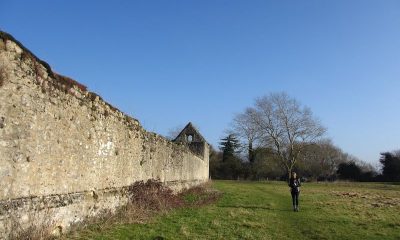
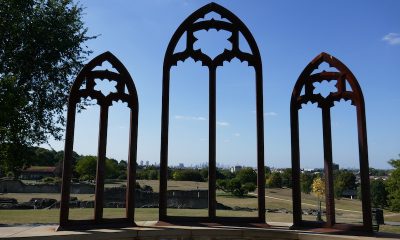
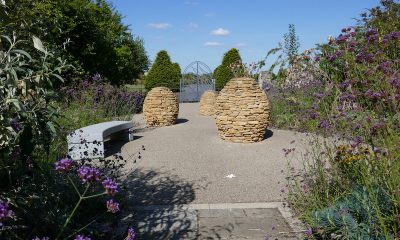
The ruins of Lesnes Abbey are one of those hidden gems in the suburbs that make exploring London so rewarding. Nearby are the sculptural outlines of three arched windows set up to frame the view towards distant Canary Wharf. The recreated monastic garden has borders of purple lavender and stone beehive sculptures with silver bees on them, a reminder of the abbey’s medieval apiary.
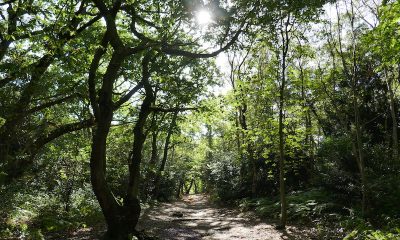
- Look out for: squirrels and squawking green parakeets among the mature oaks and sweet chestnuts; a Bronze Age tumulus hides among gnarled, mossy trunks and wild heather at the top of the wooded hill.
- Refreshments: Takeaway from the Abbey café near Abbey Wood station.
- Station: Abbey Wood is a short walk from one entrance to the park. Follow Good Journey’s directions.
- Routes: The Green Chain walk runs through these woods and connects them with green spaces nearby. The old Greater London Council created the route in 1977, a fifty-mile network of paths through parks and woods in Southeast London.
- Alternatives: Bostall woods are not far away and are particularly spectacular in Autumn, when the beech trees are bright with gold leaves. Shooters Hill has a café serving big mugs of tea and overlooking the green stretch of grass and woodland to the south.