Take the train to Swansea with Great Western Railway and continue to Carmarthen for some fabulous car-free adventures. Walk in the footsteps of the Welsh poet Dylan Thomas, visit atmospheric castles and long sandy beaches. See the world’s largest single-span greenhouse when you take the bus to the National Botanic Garden of Wales, blooming in Carmarthenshire all year round. Ride the waterside railway from Carmarthen back towards Swansea and find places to cycle, ski, toboggan, catch a ferry or hike the Wales Coast Path.
Carmarthen
Carmarthenshire


1. Botanic Garden by bus
A huge and colourful collection, spread over nearly 600 acres of Carmarthenshire countryside, opened in May 2000 incorporating the grounds of an 18th century mansion. The National Botanic Garden of Wales is home to thousands of different plants and the on-site British Bird of Prey Centre with twenty species of raptor. This is a destination worth travelling for. The Great Glasshouse, largest of its kind in the world, contains a King Protea, an exotic orange sunburst of a flower from South Africa.
- To find out how to get there follow Good Journey’s directions.
- A twenty-minute bus ride, along and over the River Towy, brings you to the garden where you can get 50% off when you show your bus or train ticket or bike helmet.
2. Dylan Thomas in Laugharne
“It was my thirtieth year to heaven
Woke to my hearing from harbour and neighbour wood
And the mussel pooled and the heron
Priested shore…”
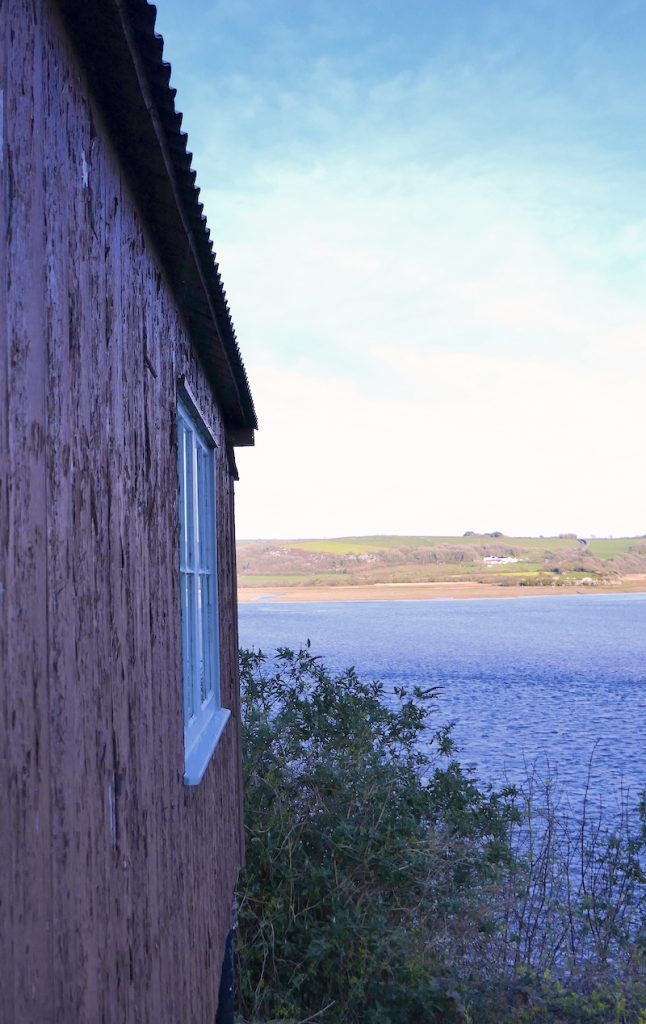
In the lovely village of Laugharne, you can recreate the poetic ramblings of Dylan Thomas, whose boat house is five minutes from the bus stop. The old harbour, now just a little river, the nearby woods, the salt marshes and herons, the castle “brown as owls” and the hilly paths above them are all still there for visitors to match to the original verses of Poem in October, written on the poet’s thirtieth birthday.
- A way-marked walk traces the scenes Dylan Thomas saw back in the 1940s as he pondered the nature of mortality and the shifting landscapes of Laugharne.
- How to get to Laugherne by public transport: Bus 222 sets off from Carmarthen bus station, just over the river from the railway, every couple of hours Monday to Saturday.
- The bus takes half an hour to reach the village. Get off at Brown’s Hotel or the Grist and head for the Castle to walk the “birthday walk”. Follow the signs (and coast path way marks) from the little bridge near the castle, along the river and up into the woods along a primrose-fringed path.
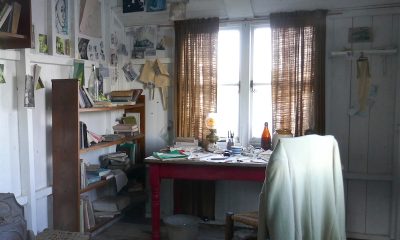
- Returning to the castle, turn right along Cliff Road to visit the writing shed where Dylan Thomas wrote Under Milk Wood and the boat house, where he lived.
- There are several great cafes nearby for refreshments after your walk.

3. Riverside railway to Burry Port
The first station on the railway line from Carmarthen station towards Swansea (if you’re on a stopping train) comes after a short ride by the wide River Towy. Ferryside is a village on the sandy-shored river, where at weekends and school holidays – when the tide is right – you can catch a ferry across to Llansteffan castle.
- Because the tide is so variable, the ferry’s timetable changes daily, but it’s well worth checking out to see if it coincides with your journey. Bus 227 runs to Llansteffan castle on the far side of the estuary if you wanted to come back by a different route.
- The next station is Kidwelly, a ten-minute walk from Kidwelly castle. This big, well-preserved medieval castle is open all year. There’s a memorial to Princess Gwenllian near the gatehouse; she died fighting Norman invaders in 1136.
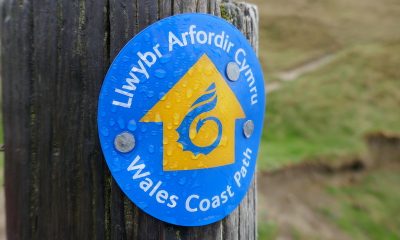
- The stop after that is Burry Port. From here, it’s an attractive two-mile walk along the Wales Coast path to Pembrey Country Park (see 4 below).
- Next up is Llanelli (famous for its rugby), where you can explore the post-industrial Sandy Water Park with a modern stone circle and views of Carmarthen Bay. There’s also a plaque for Amelia Earhart, whose plane landed nearby. You can follow the Wales Coast Path here in either direction.
4. Pembrey Country Park
From the late 19th century, explosives were made at Pembrey Country Park for mining and then for war. You can find interesting traces there of the area’s history along with a campsite, ski slope and miles of sandy beach. The park is a couple of miles away from the nearest station, but buses get closer (see below) or it’s a lovely coastal walk and there’s lots to do once you get there.
- Burry Port harbour is ¼ mile from Burry Port station; the harbour was built in 1832 for exporting coal and is now and an attractive marina, lined with colourful houses and a 19th-century lighthouse. You can pick up coast path on the edge of the marina and turn right along it.
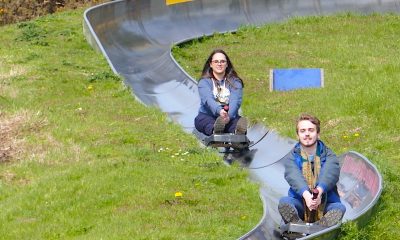
- After a couple of miles, you reach the dry ski slope in the centre of Pembrey country park. You can hire skis upstairs in the visitor centre or buy a ride on a toboggan down a curving metal slide.
- Pembrey covers a huge area of woods and beaches on the site of an old munitions manufactory, with bike hire to let you explore further and faster.
- You can ride along the National Cycle Network’s Route 4 (Celtic Trail West), which follows the Carmarthenshire coastline from the river Loughor in the east, to Pendine in the west. If you drive into Pembrey, there’s a charge to park. If you walk or cycle there, it’s free.
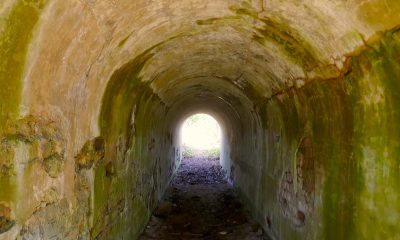
- Look out for the old tunnels near the Visitors’ Centre, which were used to make cordite during World War I. There are also concrete bunkers where explosives were stored during the Second World War. The park’s warlike past is disappearing under ivy and wild flowers and it’s now a peaceful place to have with a picnic, play minigolf, or go for a walk. The prettiest way back to the station is to return along the coast path, but the park is also fairly near to the regular X11 bus route that runs from Carmarthen to Swansea.