Birthplace of radio and engineering boomtown of the industrial revolution, Chelmsford has an urban reputation. But a great network of trains and buses make it easy to get out into the surrounding countryside, full of unexpected beauty. Chelmsford is a surprisingly good base for a holiday. There are stately homes and pretty rivers, flowering hilltops and ancient woodland; even the seaside is not far off. And, back in Chelmsford itself, there are interesting relics of the city’s pioneering heritage. The RHS gardens at Hyde Hall are the first stop on this varied itinerary.
Chelmsford
Essex

1. Bus to Hyde Hall gardens
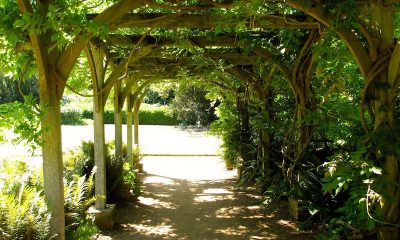
From bright willow stems by frosty winter ponds to the scent of summer roses drifting over the sloping lawns, RHS Hyde Hall is a year-round destination. With views across the Essex countryside and a great variety of garden styles, it’s popular with visitors from near and far. Now, thanks to Arrow Taxis, you can get there by bus or summer shuttle bus, with Good Journey’s directions.
- In Chelmsford bus station (just under the railway bridge from the train station), head for Stand 1, on the left near the Ale House.
- Since the gardens don’t open until 10am, the first sensible bus will currently be the 11am (or 11.20am on Saturdays; they run every couple of hours Mon-Sat, but not on Sunday).
- Look out for the No.3 (mini)bus and make sure you tell the driver you’re going to Hyde Hall (they might take a different route otherwise) and what time you’re planning to come back. (If you want to decide later, ring 01621 874410 or 01621 855111 in plenty of time to get a message to the driver).
- Stroll through the cottage garden, up through the new wildflower meadow towards the lovely walkway past the Robinson Garden (Dr and Mrs Robinson first created a garden at Hyde Hall in 1955); then out past the beehives into a huge grassy field with wide views.
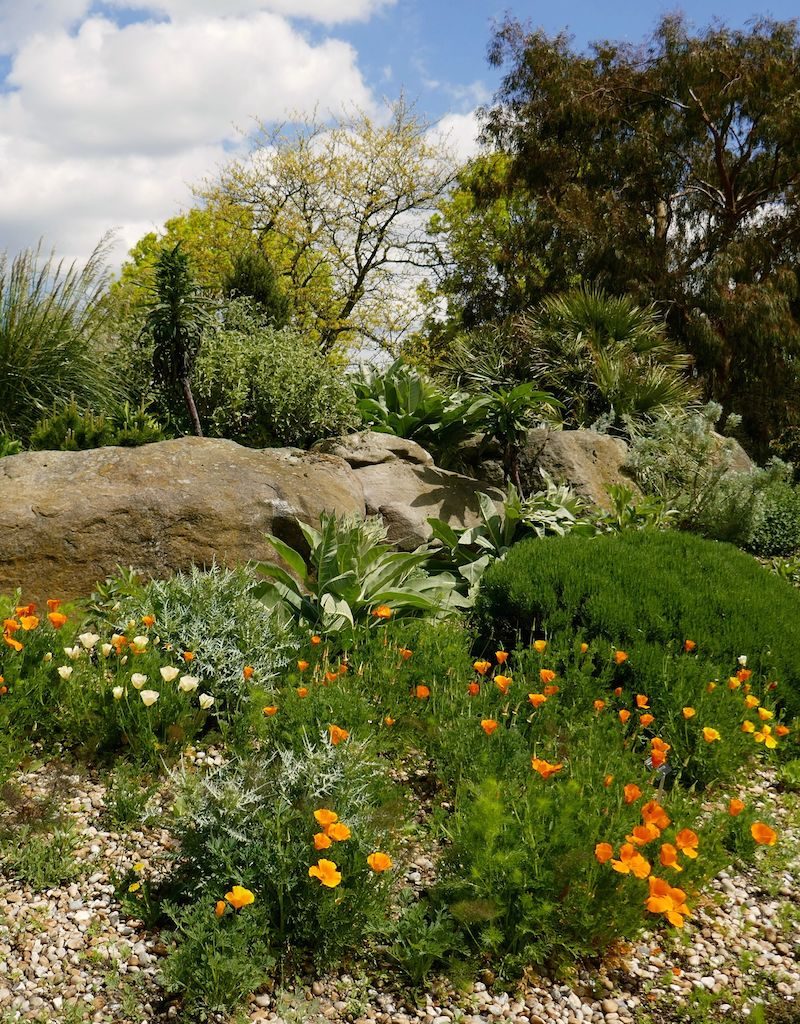
- Head back through the blossom-hung woodland walks to the iris-fringed upper pond, at the centre of the landscaped hilltop. Don’t miss the unusual dry garden, blazing with orange poppies, yellow-green spurges and red-hot pokers.
- There’s a new restaurant this year near the hilltop garden, the Gardener’s Rest, open daily for lunch and elevenses. And back at the foot of the hill, there’s the stylishly re-modelled Clover café, open all day and serving hearty snacks like Welsh rarebit or filled sweet potatoes.

2. From markets to Marconi
The Romans called Chelmsford Caesaromagus or “Caesar’s Field” and remnants from Romano-British temples and tiled bathhouse floors have been dug up in the area. In 1199, the new King John (of later magna carta fame) granted the Bishop of London a royal charter, allowing him to hold a market in Chelmsford every Friday.
- Look out for local produce in season and bargains all year round.
- Seven centuries later, in 1899, the Italian engineer Guglielmo Marconi opened the world’s first wireless factory in Chelmsford. There’s a statue of Marconi near the bus station and the city’s free museum, with the Essex Regiment Museum upstairs, has more information. It’s set in Oakland Park at the end of Moulsham Street.
- Several buses (including frequent bus 14 and bus 300) stop near the museum at the stop called Moulsham Street. The street itself, nearby, is full of varied shops and cafés – it’s the kind of road that serves everything from a full English breakfast to a late night pint.
- In the museum, recently renovated and reopened, you can still see a Marconiphone V2 radio receiver from 1922, as well as a pot by Grayson Perry and a jumpsuit that belonged to Suzie Quatro, who lived here in the 1980s!
- The edge of the Hylands Estate (see 3 below) is only a short walk from the museum if you fancy a rural stroll through the park.

3. Head to Hylands Park
Open every day for free, this sprawling estate with lakes, woods and pleasure gardens is a beautiful place for a walk with a café in the courtyard and a playground for the kids. Here you’ll find more than 500 acres of parkland, where you can follow a choice of walks around the central formal flower beds and topiaried hedges and creeper-covered trellises or wander further afield, along the Serpentine Lake into wilder woods and hay fields.
- There are tours and open days in the Georgian house, first built for a local lawyer in the 1730s.
- Hylands’ stables are also home to several artists’ studios. The craftspeople here produce knitted rugs or glass ornaments, designer jewellery or wax pictures.
- If you’ve come with kids, don’t miss the free castle-themed adventure playground, accessed via the Roman Walk or the Willow Tunnels. Mauro’s Kiosk nearby can keep the wolf from the castle door with bacon or sausage sarnies, picnic boxes and cups of tea.
- Bus 351 stops near Hylands and runs every half an hour. You can either hop off at Widford Road near the roundabout and walk through the huge fields a mile or so from St Mary’s church (see 2 above), or go one further to the stop called Hylands Park. Walk back a few steps and carefully cross the main road where you see a crossing point. The gates are to your right. Returning is easier since the buses stop on the same side of the road – simply turn right out of the gates.
4. Danbury Commons and Blake's Wood
Another great trip out of Chelmsford is a visit to the village of Danbury with its National Trust woodlands, crisscrossed by walking routes.
- Catch bus 31X or bus 336 from Chelmsford and get off at Eve’s Corner. A choice of pubs and tea rooms surrounds this pretty village green and pond, including the community-run Bakers Arms and the Tea on the Green cafe.
- For a leafy stroll, cross over and walk down Mayes Lane (there’s pavement all the way). Soon after the junction with Copt Hill, where the pavement ends, look out for a path on the left. This will lead you to this short walk through the varied habitats of Danbury and Lingwood Commons. You can pick up the route at marker post 3, between the scrubland and the grassy heath.
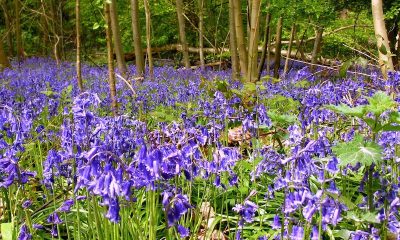
- For a different route back to the village from the Cricketers Arms near marker post 11, turn left outside the pub and left again when you reach a large gate. Keep straight on this path to reach Danbury’s John the Baptist church with its ancient wooden effigies of crusader knights and carved pews. In bluebell season, don’t miss Blake’s Wood, an area of ancient forest on the far side of the main road.
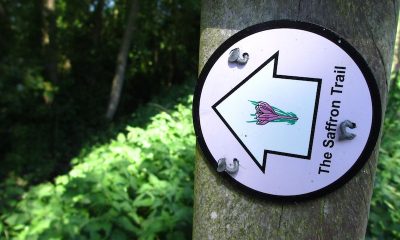
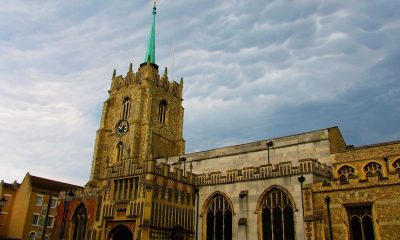
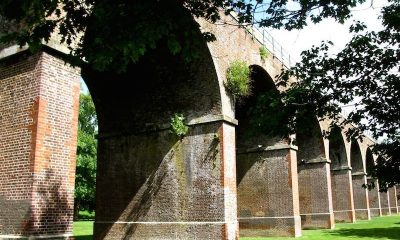
- Danbury also lies on the Saffron Trail, a 70-mile long distance walk that eventually reaches the beautiful town of Saffron Walden. From Danbury, you can follow the route’s crocus waymarks westwards along a pleasant track called Grace’s Walk and then beside the River Chelmer back to Chelmsford, about five miles away. The route passes close to the city’s cathedral and through riverside Admiral’s Park and past the towering viaduct.
- The 31X bus route that runs through Danbury also goes on to Maldon, where you can explore the estuarine Essex coastline. There are dozens of lakes, rivers and canals to stroll beside and a town full of maritime and military stories. Don’t miss the Maldon Smokehouse on the shores of the Chelmer, as it broadens into a mud-banked seagoing tidal river. The Smokehouse serves up platters of salmon, duck, ham or mackerel, followed by homemade honeycomb cheese cake or Rossi ice cream from Southend.
Buses and a place to stay
A few more tips if you’re making a trip to Chelmsford.
- If you’re using buses on the day you arrive by train, a Plusbus ticket makes a lot of sense.
- A £10 Essex Saver ticket gives you unlimited travel all day on almost any bus in the county.
- For somewhere lovely to stay, the Lion Inn at Boreham is close to the city with rooms overlooking a garden (twin rooms £125, B&B). Several regular buses including bus 40 every half an hour, run from Chelmsford bus station and stop nearby.