From bolted steel sculptures on the riverfront in post-industrial Woolwich to elegant Italian-style architecture in glorious Greenwich, here is an unapologetically urban odyssey via boat, rail, bus, foot and cable car. This packed itinerary celebrates London’s maritime heritage and sees the city from new angles. You could fit most of it into a fun, but hectic afternoon, spread it over a more leisurely staycation, or pick and mix the bits that take your fancy. For those who want to stay in the area, there are more tips at the end. A travelcard, oyster card or contactless debit card will come in very handy.
Woolwich, Docklands and Greenwich
London

1. Start from Stratford
Funny to think of it now, but until the 2012 Olympics, most people thought of Stratford as a town in Warwickshire where William Shakespeare was born. Now people outside east London have heard of the other Stratford, home of the Olympic Park. The park is full of sporting opportunities and almost next to the station.
- Stratford has some of the best transport links in London: several tube lines converge here, including the 24-hour Central and Jubilee lines and the new Elizabeth line.
- Trains from all over London and the East of England arrive at the railway station’s twelve bewildering platforms and trains to Stratford International, next door, come from Kent and beyond – via Eurostar – from France.
- From Stratford Underground Station, take the lift or escalator to “The Street” in Westfield Shopping Centre (full of places to eat). Head right at Fountain Square, towards John Lewis, then left at Jamie’s Italian; at the end of the passage, cross the road into the Olympic Park.
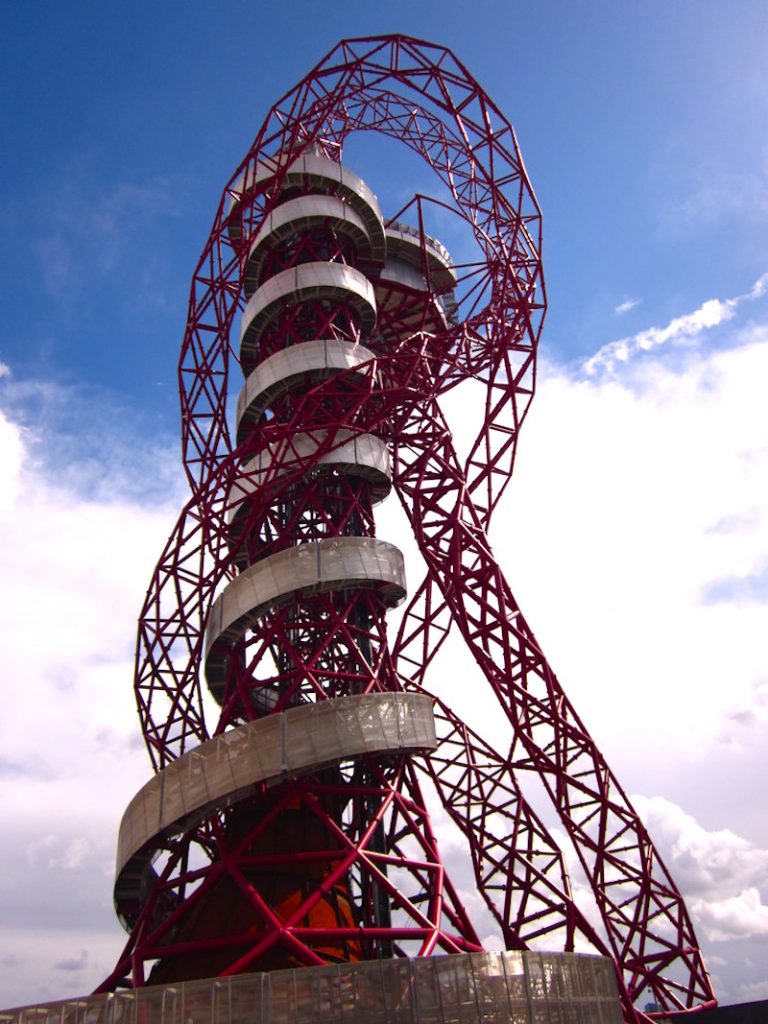
- You can explore the Olympic Park or slide down the UK’s tallest sculpture, the ArcelorMittal Orbit, with views over the cityscape stretching 20 miles on a clear day.
Unable to locate map with id: 105

2. Drive the DLR to Woolwich Arsenal
One of many great things to do on the Docklands Light Railway is to sit in the front seat if it’s free and enjoy the view. Since the trains are driverless, you can pretend to be the driver – if you want.
- The Woolwich branch of the DLR flashes past the mighty Thames Barrier (you’ll see more of this later) and the Tate and Lyle factory, largest sugar refinery in the EU and heading for 150 years old.
- 20 minutes and ten stops after Stratford, the train arrives – via a tunnel under the Thames – in Woolwich, which was for centuries a crucial military and navel centre.
- The area is full of new buildings, springing up around the new Elizabeth line with trains into central London every few minutes.
- Turn right out of the DLR station, past the old Royal Arsenal Gatehouse. Cross the road, go past the old Guard House and keep straight along a pedestrian walkway with canons. There’s a farmer’s market here twice a month.
- At the riverside sculptures, turn left beside the water and follow the Thames Path in this general direction until you come to the Woolwich Ferry.

3. Ferry over the Thames
The Woolwich Ferry has been recently upgraded, but there’s still a strong sense of old-school maritime heritage on board. This stretch of the Thames has very few crossings so, to carry the lorries over to North Woolwich or back again, Transport for London operates the Woolwich Ferry. There’s been a ferry here since the 14th-century and it currently transports two million passengers a year. You won’t usually find very many other foot passengers.
- The ferry is currently free, runs frequently and takes about five minutes to reach the other side. To board the ferry, don’t cross the road where the lorries queue. Just turn right on the pavement and keep walking – onto the boat.
- On the rare occasions (like very foggy mornings) when the ferry isn’t running, the nearby Woolwich foot tunnel, with its brick towers, wood-panelled lift and ¼-mile tiled walkway, is an equally unusual experience and comes with its own urban myths.
- When you reach North Woolwich, walk off the ferry again and head for the nearest bus stop. Catch bus 474 towards Canning Town (frequent) to the stop called “Thames Barrier”. On the way, the bus passes London City airport and a 12-metre sculpture of the goddess Athena (looking like a silver gymnast) on a nearby roundabout.

4. Walk around Thames Barrier Park and Victoria Dock
This 1½ mile route through the heart of Docklands gives a powerful flavour of a unique area and a good choice of places to eat and drink. There’s a map below.
- Get off bus 474 at the ‘Thames Barrier’ stop (see 3 above). You can also arrive by DLR to the Pontoon Dock station. Walk back a few steps from the bus stop, turn right before the café and right again through a gate near the river to reach the Thames Barrier Park opened for the millennium in 2000.
- Turn left for a look at the Thames Barrier. Stroll through park beside the river and then head back towards the lime green café, above or through the striking wave-form hedges in the centre of the park.
- Leave the park and cross the main road. Turn left along the far side and then right up Mill Road towards a brick chimney. There are plans afoot to develop this area and turn it into a “new Brooklyn”. Keep straight past derelict Millennium Mills towards the distinctive red lightship and turn left beside the water.
- Cross right over the Royal Victoria Dock on the dramatic pedestrian bridge suspended high above the water. On the far side is ExCel, a venue for huge international events like Grand Designs Live or the annual Comic Con – a mecca for fans of sci-fi, cosplay, anime and gaming.
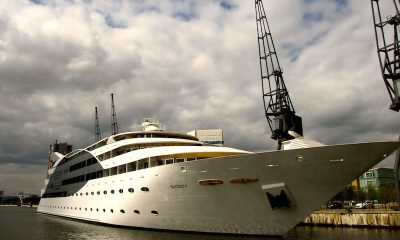
- At the foot of the steps, turn left along the far side of the dock, passing several cafés. There’s even a pleasant casual restaurant inside the intriguing waterside Good Hotel, a floating platform with a social conscience, shipped over from Amsterdam to continue its projects.
5. Fly on the cable car
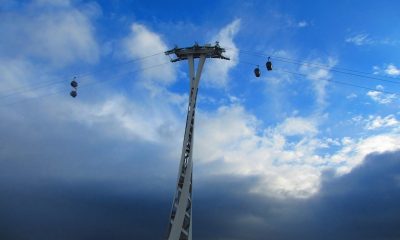
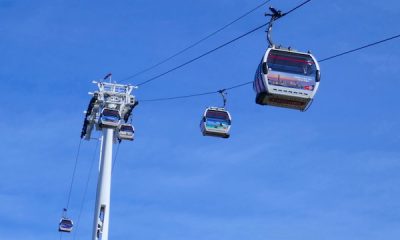
London’s cable car takes seven minutes to lift you high over the Thames to the Greenwich peninsula and the O2 arena. After 7pm every day, the cable car travels more slowly, giving you more time to enjoy the night-time views; in summer (and on Fridays and Saturdays all year) it runs until 11pm at night.
- With an Oyster or contactless card, it costs less for a single journey – or when you show a railway travelcard at the ticket office.
- Unlike the much more expensive London Eye, there’s rarely ever much of a queue to hop on the cable car. Just climb the steps and relax in one of pods. At 90 metres high, it has great views of the surrounding area.
- On the far side, follow signs to the North Greenwich Pier where a boats set off for Westminster via Greenwich every twenty minutes. The nearby sculpture, Quantum Cloud, is by Anthony Gormley.
- It’s also possible to walk to Greenwich along the river. Just keep the water on your right and follow the Thames Path for four miles. There are some good cafes and interesting historic sights along the way,
6. Catch the boat to Greenwich
The sleek, speedy Thames Clippers are one of the most luxurious ways to travel through London. With an on-board bar, comfortable seats and huge picture windows looking out onto the water, this is a great chance to enjoy London from a different angle.
- From the North Greenwich pier to Greenwich itself costs less if you touch in and out with a contactless or Oyster card or show a travelcard and buy a ticket at the ticket office.
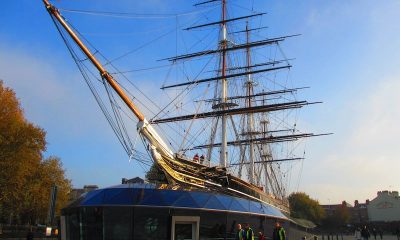
- Arriving in Greenwich, two people can visit the Cutty Sark for the price of one when you show a train ticket and voucher. Follow Good Journey’s directions.
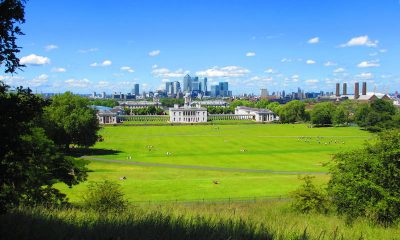
- If you have enough energy left, climb up through Greenwich Park towards the observatory for classic London views and the chance to stand on the meridian line, from which all global measurements begin.
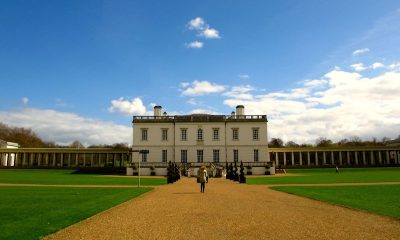
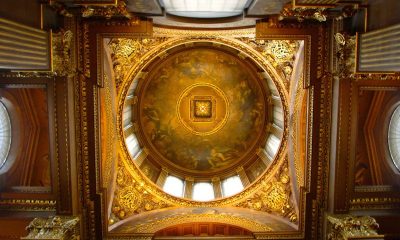
- Don’t miss the painted ceilings in the old Naval College, the fabulous, free Maritime Museum and the newly refurbished Queen’s House next door. Completed by architect Inigo Jones in 1636, it was the first Italian-style building in England. Inside (it’s free and open 10-5 daily), you can see the perfectly-proportioned Great Hall and loggias, an elegant spiral staircase, and a wealth of Tudor paintings, including the famous Armada portrait of Queen Elisabeth I.
7. On the way back into town
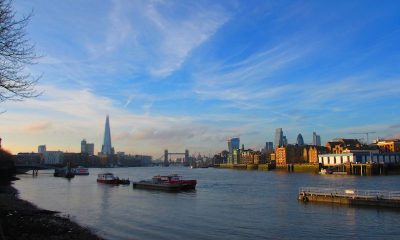
There are lots of ways to head for central London again: boats, buses, trains and even the Thames Path. It’s 8 miles walk from here to Tower Bridge. The quickest route is by the Docklands Light Railway from Cutty Sark station. This branch of the DLR takes a great route, with lots of watery views and further sights along the way – there’s always more to see in this area.
- The DLR line from Cutty Sark passes Crossharbour station after three stops, which is close to Mudchute City Farm on the Isle of Dogs, open every day and free to visit. The farm, which has no visitor parking, is 10 minutes walk from the station and has a café, the Mudchute Kitchen.
- Four stops further on, 2 minutes walk from West India Quay DLR station, is the Museum of London Docklands, also open free every day.
Buses, bikes and places to stay
Here are some more tips for having a Greenwich-based mini break.
- Travelcards are very useful for this kind of trip as they give you unlimited travel at any time on buses, tubes, the DLR, London Overground, TfL Rail and National Rail services all over London. They also give you a discount on the cable car and boat trips.
- Travelcards are particularly good value when added to train tickets from outside London. Simply buy a travelcard at your local station.
- You can rent bikes from the Flight Centre.
- There is a Travelodge right next to Greenwich DLR and railway station.
- For something a bit different, the Good Hotel, moored at Royal Victoria Dock has cool, minimalist bedrooms on the water. Royal Victoria DLR is just round the corner and the cable car is next door.